BOSS Awarded California DGS Statewide Contract to Address Homelessness with Emergency Cabins

California Cites can now purchase Emergency Cabins from BOSS (Built On Site Systems) without going through a lengthy RFP process.

June 27, 2024 Montebello, California— BOSS (Built On Site Systems), the technology leader in dignified housing to address homelessness, has been awarded a California Department of General Services (DGS) Statewide Contract for emergency sleeping cabins. Local agencies and cities can now skip the lengthy RFP process and simply write a purchase order to build safe and cost-effective housing for homeless individuals in their communities.

The California Department of General Services (DGS) launched a statewide procurement contract for emergency sleeping cabins. BOSS Cubez is one of a very few select vendors awarded a contract. Since the CA statewide DGS contract has already gone through the RFP process, local agencies can skip all these steps, which typically require months of effort, and simply write a Purchase Order to the awarded vendor.

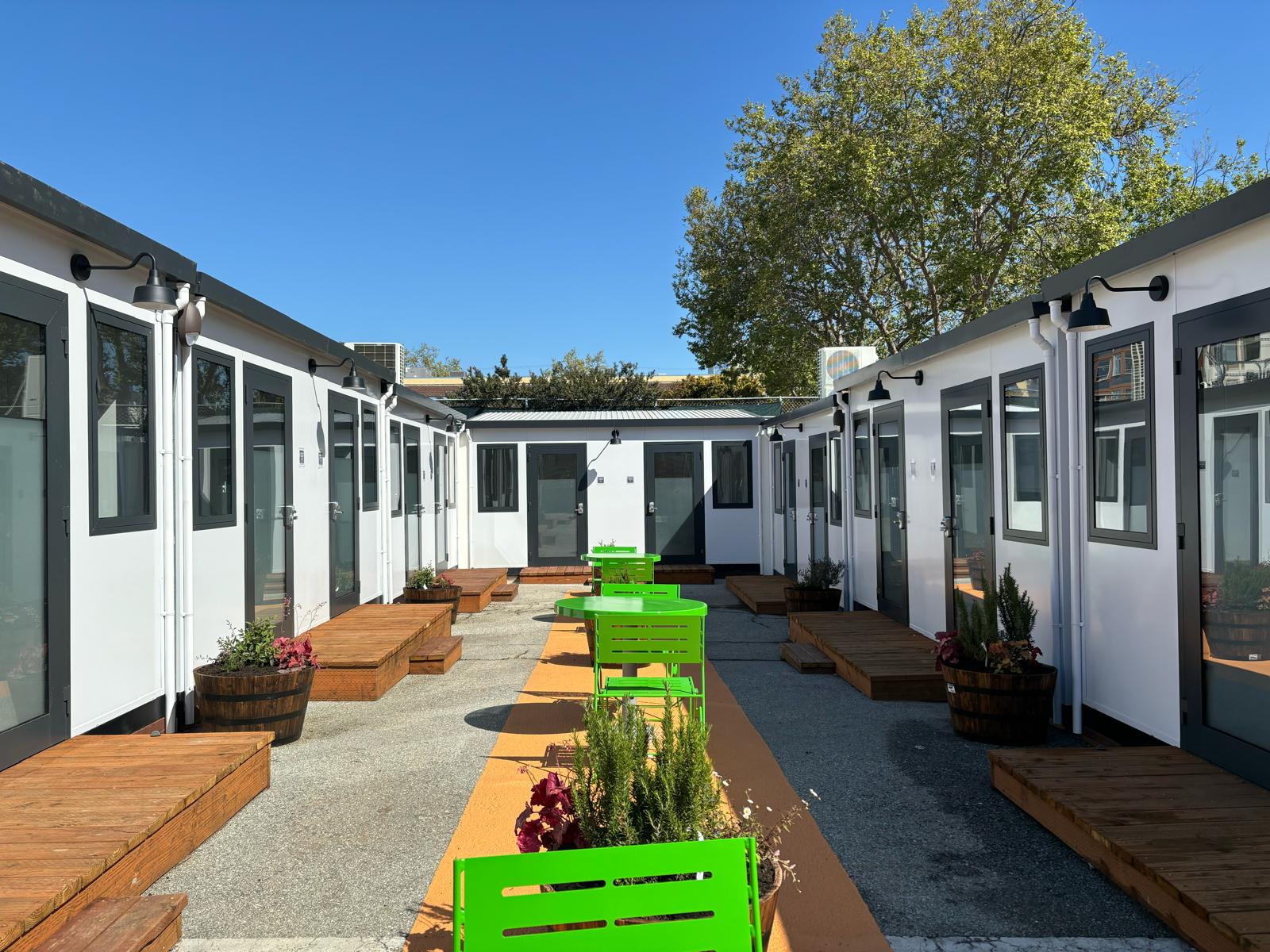
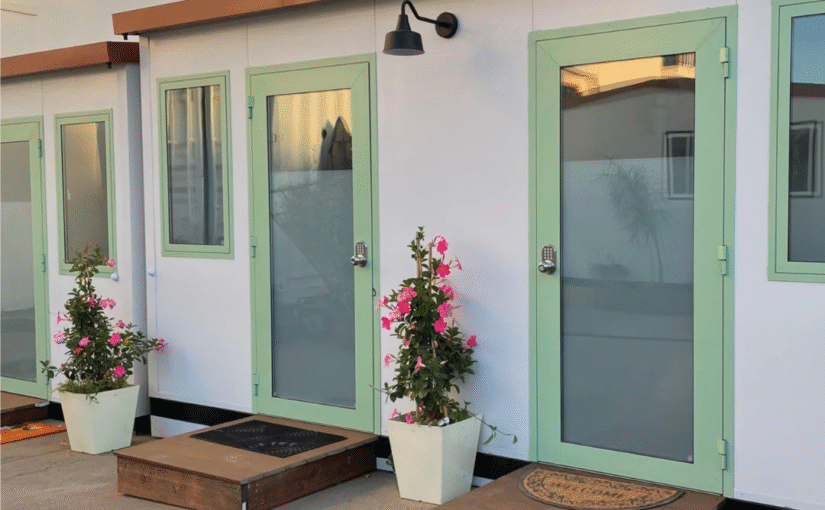
As one of the DGS-approved vendors, BOSS offers a complete, cost-effective interim housing solution for cities & municipalities. The company’s product line–BOSS Cubez–includes housing for singles, couples, and families, ensuite units with bathrooms, duplexes, and showers. BOSS has over 48 approved Cubez on the list. The Cubez are comfortable, attractive, easy to install, and offer the best price available, often with substantial savings over other vendors.

Viken Ohanesian, President and CEO of BOSS states, “We are very pleased that BOSS has been approved by the California DGS. “BOSS Cubez are the least expensive yet most durable structures being offered at a substantial price savings over other vendors. Built with steel, these homes and buildings are warranted with a 3-year and non-combustible units for fire safety.  

In addition to being California DGS approved, the Cubez meet all the California Building Code 2022 Appendix P Requirements. Each of the Boss Cubez comes with a complete set of permit plans meeting the CBC Appendix P requirements that allow the local AHJs to quickly review and approve local communities.

About BOSS Technology

Built On Site Systems (BOSS) is an LA-based company focused on bringing the construction industry into the new age. The BOSS technology combines the benefits of factory manufacturing with on-site assembly, significantly reducing the construction time and costs required in traditional methods. BOSS produces ready panels at mass scale and delivers them directly to the job site where they are rapidly assembled like lego blocks, saving time and money.

All BOSS Cubez are safe, comfortable, attractive, and easy to install, providing dignified living for unhoused individuals. In addition, they are cost-effective and flexible, allowing temporary placement of housing where land is available, and exit strategies to enable them to be moved to other locations.

For more information or to purchase BOSS Cubez for your community, please contact: Kris Van Giesen at krisvg@bosscubez.com, or visit the State Procurement site.

Media Contact
Catherine Green
(503) 209-3905
How Interim Supportive Housing Benefits Communities

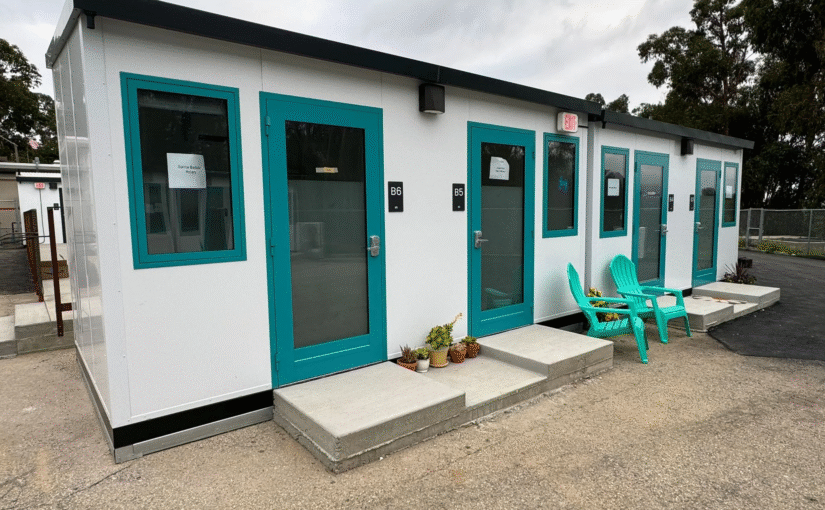
Locally built, interim supportive housing provides many benefits to communities and cities by addressing the immediate needs of people experiencing homelessness while also fostering long-term stability and growth. These benefits can help individuals, families as well as the communities where they reside. 

Read on for some of the many ways supportive temporary housing helps local communities:

1. Addressing Homelessness

  • Immediate Shelter: Temporary housing can provide on demand shelter to individuals and families experiencing homelessness, providing a safe and comfortable place to stay.
  • Transition to Permanent Housing: These communities can include support, training, and counseling, helping individuals transition from temporary homes to more permanent living situations.

2. Improving Public Health

  • Access to Health Services: Supportive housing can include access to essential health services, including mental health care, substance abuse treatment, and medical care. These wrap-around services are key to assisting in the transition to more permanent housing.
  • Reduced Need for Emergency Services: By providing stable housing, the reliance on emergency services, such as hospital emergency rooms and crisis intervention, is in a better position to be reduced.

3. Empowering Residents

  • Life Skills & Job Skills Training: Supportive housing often includes life skills training, such as financial literacy, cooking, and time management. 
  • Community Engagement: Residents are encouraged to participate in community activities and decision-making processes, fostering a sense of ownership and responsibility.

4. Employment  Benefits

  • Job Training and Employment: Supportive housing programs typically include job training and employment services, helping residents gain skills and find employment. In addition, job skills training can help people navigate the complex steps to finding and keeping a job, so residents can live independently.

5. Educational Stability

  • Consistent School Attendance: Children in supportive housing are more likely to attend school consistently, leading to better educational outcomes and long-term benefits.
  • Parental Support: Parents in stable housing are better able to support their children’s education and well-being, contributing to the overall development of the community’s youth.

6. Social Services Integration

  • Comprehensive Support: Supportive housing programs often integrate a variety of social services, such as counseling, case management, and life skills training, which help residents achieve greater independence and self-sufficiency.
  • Community Partnerships: These programs often involve partnerships with local organizations, fostering a network of support and resources within the community.

7. Providing Safe Spaces for the Underserved

  • Support for Underserved Individuals: Providing stable housing to individuals such as those from underserved communities such as the formerly incarcerated, domestic violence survivors and foster youth reduces the likelihood of them having to return to unhealthy environments.
  • Reducing Homelessness Among Veterans: Targeted supportive housing for veterans helps address the unique challenges they face, reducing homelessness and promoting stability.

8. Mental Health and Well-being

  • Mental Health Services: Access to mental health services within supportive housing programs helps residents manage conditions that might otherwise lead to instability or homelessness.
  • Community Support: The social support network within these housing programs promotes mental well-being and reduces feelings of isolation.

9. Preventing Family Separation

  • Keeping Families Together: Temporary supportive housing can prevent the separation of families during times of crisis, ensuring that children remain with their parents in a stable environment.
  • Parental Support Programs: Programs that support parents in maintaining custody of their children, through parenting classes and support groups, contribute to stronger family units.

Conclusion

Supportive temporary housing offers numerous benefits to local communities by addressing immediate needs and providing pathways to stability and self-sufficiency. By reducing homelessness, improving public health, enhancing safety, and fostering economic and educational stability, supportive housing programs play a vital role in building stronger, more resilient communities.

About BOSS Cubez

BOSS (Built on Site Systems) has complete solutions for cities, municipalities, and/or nonprofits looking to build interim housing. Our emergency cabins are safe, comfortable, attractive, easy to install, and approved by the California Department of General Services (DGS), providing dignified living for unhoused individuals.